7 min read
Evolving skylines & the human-centric design future

Sarah Collins
Oct 17, 2025
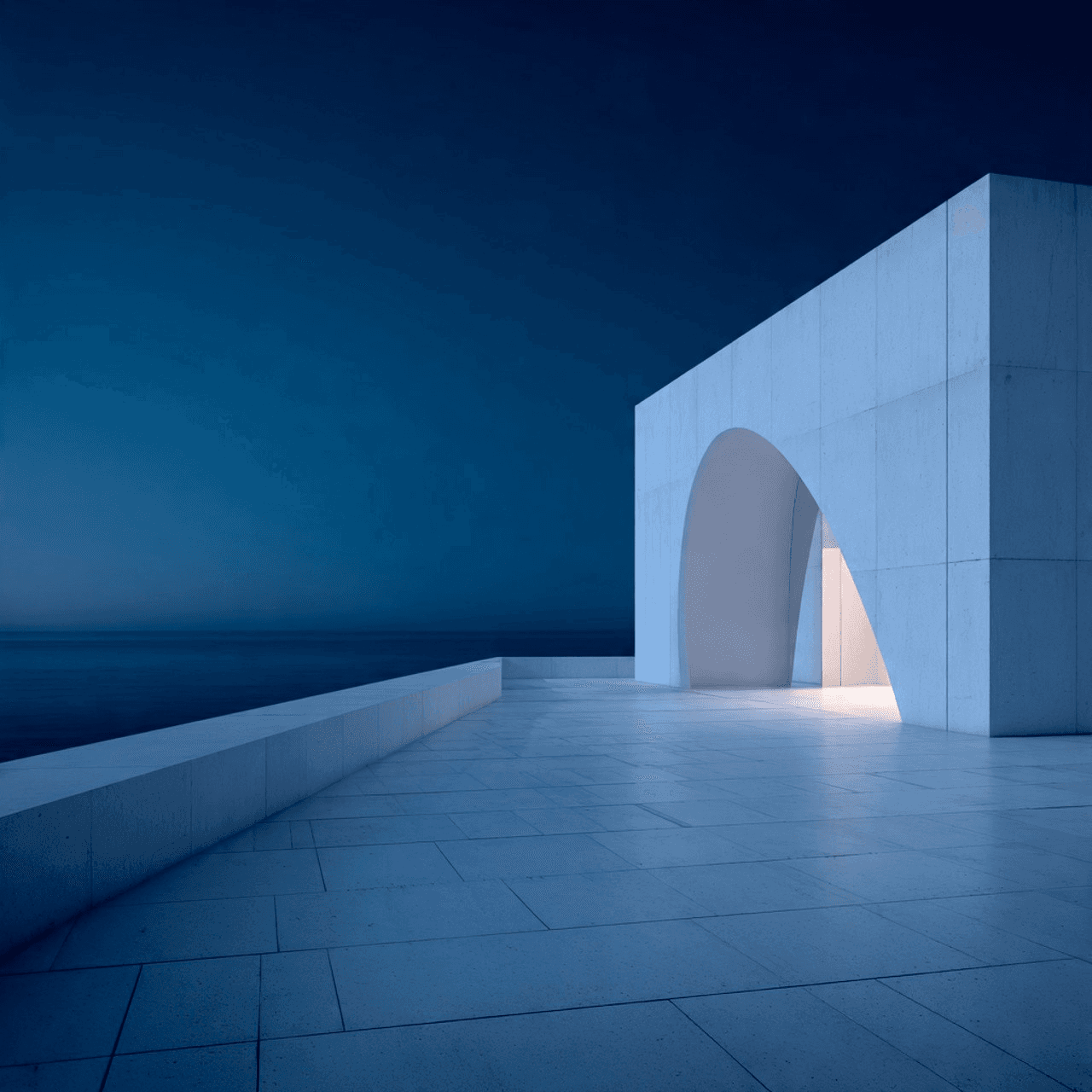
Architecture is no longer just about aesthetics — it’s about experience. As cities evolve, the role of architecture expands beyond shaping skylines to shaping human connection. Today’s designs reflect empathy, sustainability, and balance. Developers and designers are focusing on creating spaces that not only look iconic but also serve communities and support emotional well-being. Modern skylines now tell stories of inclusivity and adaptability — built to inspire, not just to impress.
1. From height to harmony
The world’s most admired skylines no longer chase height for prestige. Instead, they emphasize proportion, livability, and environmental balance. Vertical developments now integrate nature, daylight, and flexible layouts that adapt to human needs rather than demand adjustment.
2. Blending public and private life
Urban planners are erasing the boundaries between commercial, residential, and public spaces. Rooftop gardens, shared lounges, and open plazas encourage collaboration and belonging — essential to sustainable city life.
3. Designing for emotion
Architecture is becoming more personal. Natural light, materials, and flow are crafted to evoke calm, focus, and inspiration. Thoughtful design creates meaningful emotional experiences that redefine modern comfort.
4. Innovation with identity
Cities are embracing their local heritage while advancing modern design. Architecture now reflects cultural identity, proving that innovation and tradition can coexist beautifully in shaping tomorrow’s urban story.
Final thoughts
The skylines of the future won’t compete for attention — they’ll reflect balance, connection, and purpose, blending humanity with design.