8 min read
Future of urban real estate & sustainable community growth

Sofia Brown
Aug 24, 2025
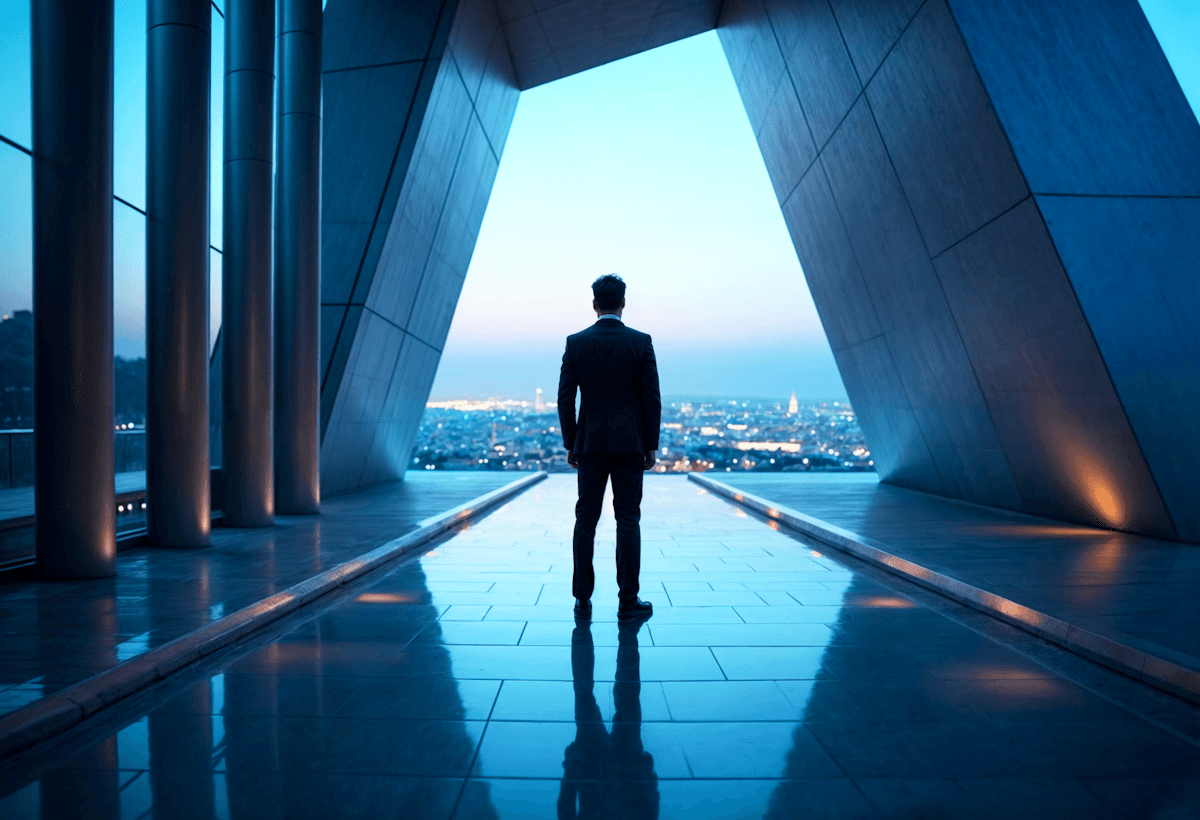
Urban real estate is entering a new era of awareness and transformation. Around the world, cities are being reimagined with sustainability, accessibility, and people-focused design at their core. Developers are now emphasizing purpose over profit — creating eco-conscious spaces that support social connections and long-term growth. The shift represents more than a change in architecture; it’s a movement toward communities that breathe, connect, and nurture a balanced, inclusive way of living.
1. The rise of sustainable living environments
Modern developments now focus on eco-friendly design, renewable systems, and low-impact materials. Green architecture, solar energy, and water conservation aren’t optional features but core principles. Every building tells a story of responsibility and innovation. These advancements reduce energy costs, protect the environment, and enhance residents’ comfort — allowing cities to grow responsibly while building healthier communities for the generations ahead.
2. Walkable neighborhoods and mixed-use communities
Today’s cities are designed for connection, not congestion. Walkable neighborhoods encourage people to live, shop, and connect within the same area. Local cafés, open parks, and cultural hubs foster togetherness while reducing the need for cars. This layout supports wellness, social balance, and environmental sustainability. Mixed-use communities are redefining modern living by creating vibrant spaces that feel alive, accessible, and centered on human connection rather than convenience alone.
3. Smart technology driving modern infrastructure
Technology now serves as the nervous system of modern cities. From data-driven utilities to automated transport and energy systems, innovation is enhancing safety, efficiency, and quality of life. Smart sensors track usage, optimize resources, and improve sustainability. Cities powered by intelligent design ensure smoother mobility, cleaner environments, and responsive urban experiences that evolve alongside the people who inhabit them.
4. Building for people, not just for profit
The future of development lies in purpose-driven design. Real estate leaders are realizing that profit follows people — not the other way around. By creating spaces that prioritize accessibility, inclusivity, and sustainability, they’re shaping communities that thrive long-term. This approach encourages loyalty, emotional connection, and shared prosperity — proving that success in modern real estate begins with empathy and ends with meaningful impact.
Final thoughts
Urban development is shifting toward a more mindful, human-centered future. Tomorrow’s cities will blend innovation with compassion — places where people live, connect, and truly thrive.