9 min read
Greener spaces and the rise of eco cities worldwide

Michael Turner
May 19, 2023
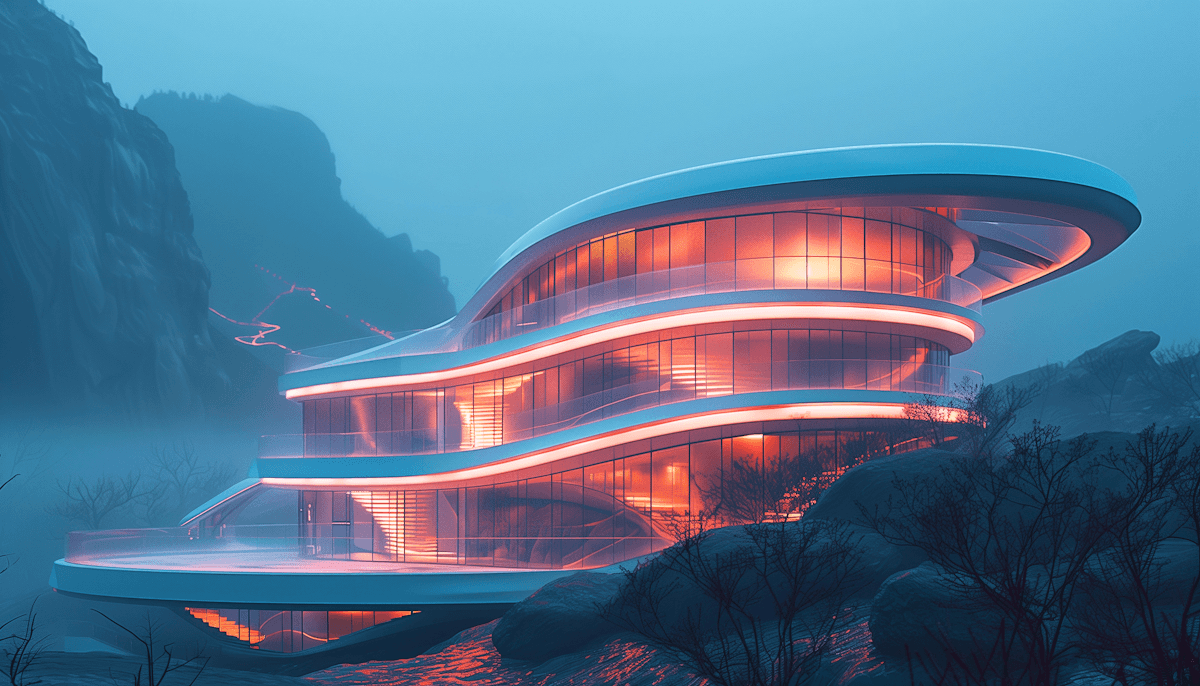
The global movement toward green cities is no longer a distant vision — it’s unfolding now. Urban planners and developers are rethinking concrete landscapes, weaving greenery, sustainability, and environmental responsibility into every design. Eco-cities are built to minimize waste, conserve energy, and restore natural ecosystems. They represent a new way of living where nature and modern infrastructure coexist, proving that progress can be both advanced and environmentally respectful.
1. Rethinking city ecosystems
Cities are being redesigned to act like living ecosystems. Green roofs, vertical gardens, and open parks bring biodiversity back into urban areas. These elements reduce heat, clean the air, and offer people refreshing spaces to recharge.
2. Renewable energy integration
Energy independence is becoming central to modern city planning. Wind, solar, and geothermal systems are replacing outdated power grids, ensuring cleaner energy use and long-term stability. Buildings are equipped with smart meters and efficient insulation that lower carbon footprints and costs.
3. Water management innovation
Water conservation defines tomorrow’s eco-cities. Systems for rainwater harvesting, wastewater treatment, and efficient irrigation ensure that resources are used wisely. Through creative engineering, cities reduce flooding risks and secure long-term water supply.
4. Urban farming and food resilience
Urban farming transforms rooftops and empty lots into productive food sources. Beyond reducing transport emissions, it reconnects city dwellers to food origins. Local produce markets strengthen economies and promote self-sufficiency.
Final thoughts
Eco-cities represent the balance between progress and preservation — living systems where humanity and nature thrive together in sustainable harmony.